A Complete Visitor Guide to Warangal Fort
- 1 min read
- Tourism
The Kakatiya stonework at Warangal Fort still stops people mid-step. Here is how to read the four Kirti Toranas and plan an unhurried morning.
Best In Warangal — your local guide to food, culture and the city we call home.
The Kakatiya stonework at Warangal Fort still stops people mid-step. Here is how to read the four Kirti Toranas and plan an unhurried morning.
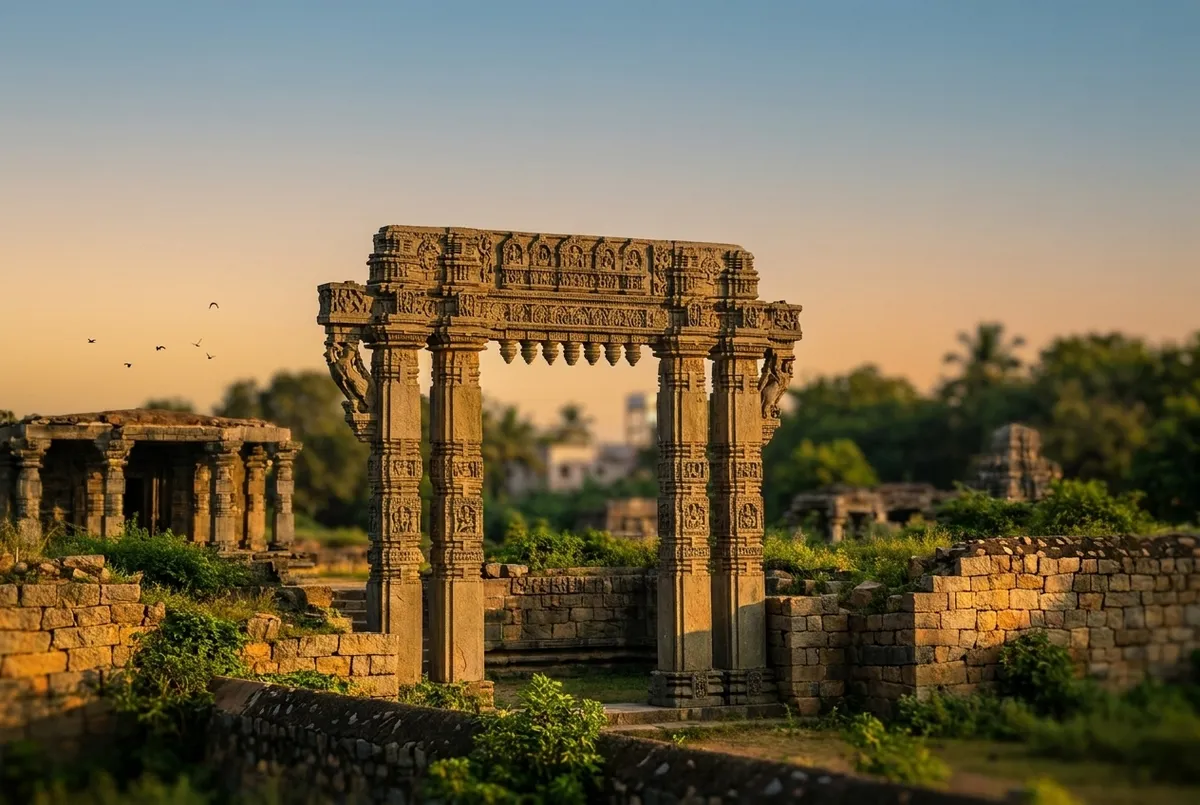
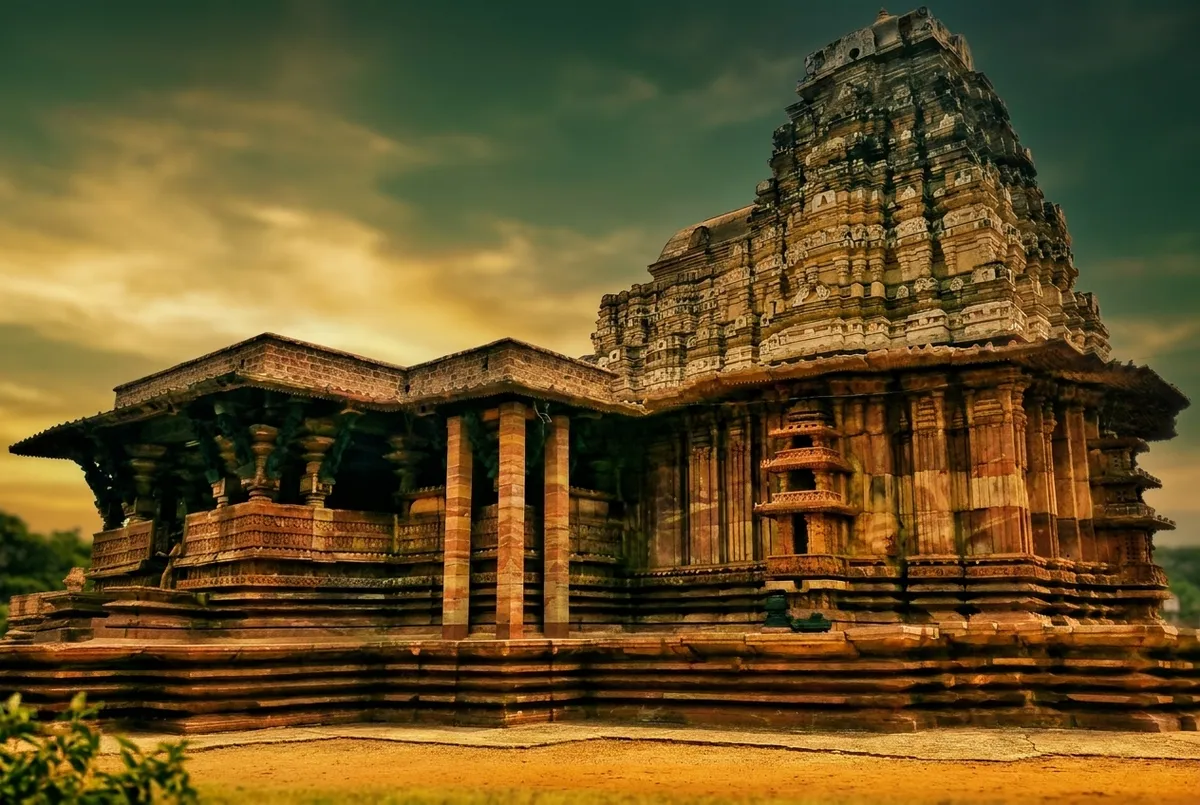
Warangal Fort is what remains when an empire builds in stone and lets time do the editing. The Kakatiya rulers raised it in the 13th century, and even as ruins the place still stops first-time visitors mid-step. This is the reason the historic name of the city, Orugallu, meaning one stone, makes sense the moment you walk in.
The signature sight is the set of four ornate gateways, the Kirti Toranas or Kakatiya Kala Thoranam. One of them is the official emblem of Telangana, so you have almost certainly seen it on a government letterhead before you ever saw it in person. Standing under the arch is a different experience entirely.
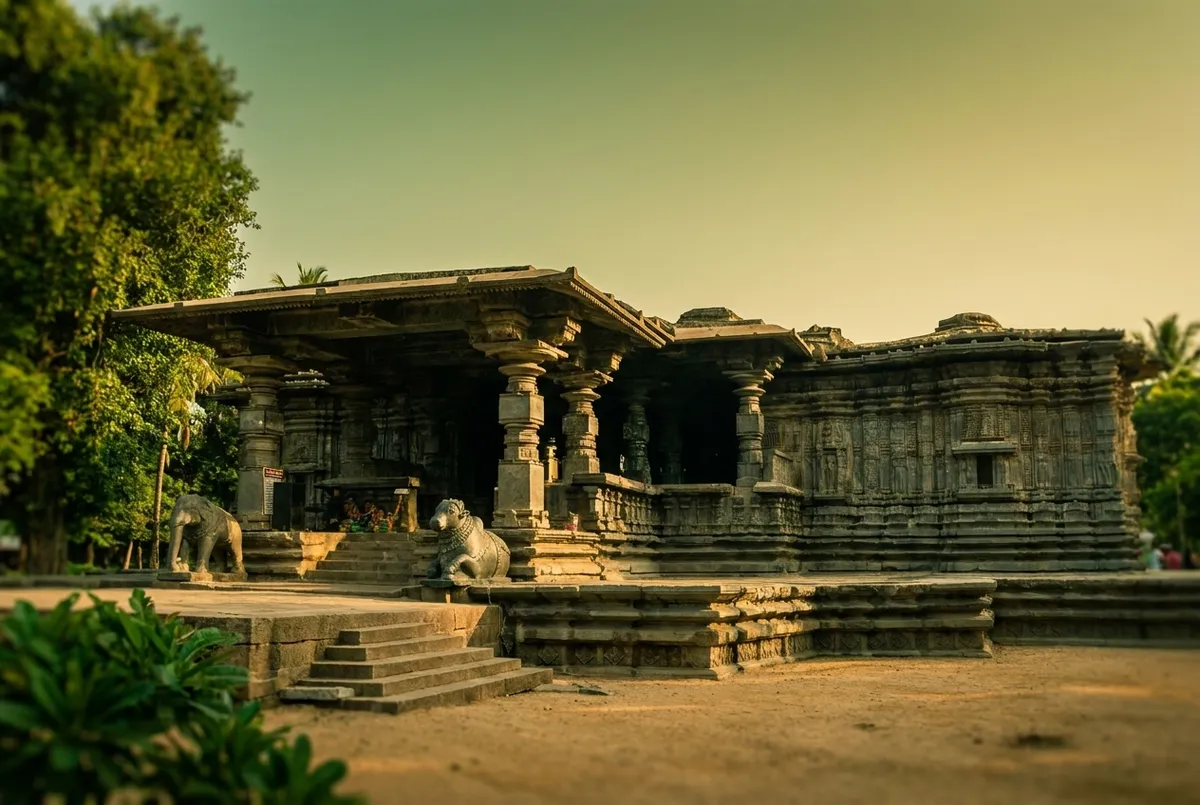
The site spreads wide, far wider than a quick photo stop allows. Beyond the four gateways you have scattered carved pillars, the Swayambhu Shiva temple platform, and a scatter of inscription stones and sculpture fragments that the Archaeological Survey has gathered on site. Give it a slow morning and the layout of the old city starts to make sense.
Visit early to beat both the heat and the crowds, because shade is limited once you are among the ruins and Warangal afternoons are unforgiving for a good part of the year. Wear comfortable shoes, the ground is uneven and you will cover more distance than you expect. Carry water. Pair the fort with the nearby Padmakshi temple if you want to make a half-day of it, and hire a local guide if you want the Kakatiya history filled in beyond the bare signboards.