
A Practical Guide to Civic Services in Warangal: Bills, Records and Offices
- 3 min read
- Business
Property tax, water bills, birth and death records, building permissions. A plain guide to dealing with the tri-city civic offices without losing a day.
Best In Warangal — your local guide to food, culture and the city we call home.
Property tax, water bills, birth and death records, building permissions. A plain guide to dealing with the tri-city civic offices without losing a day.
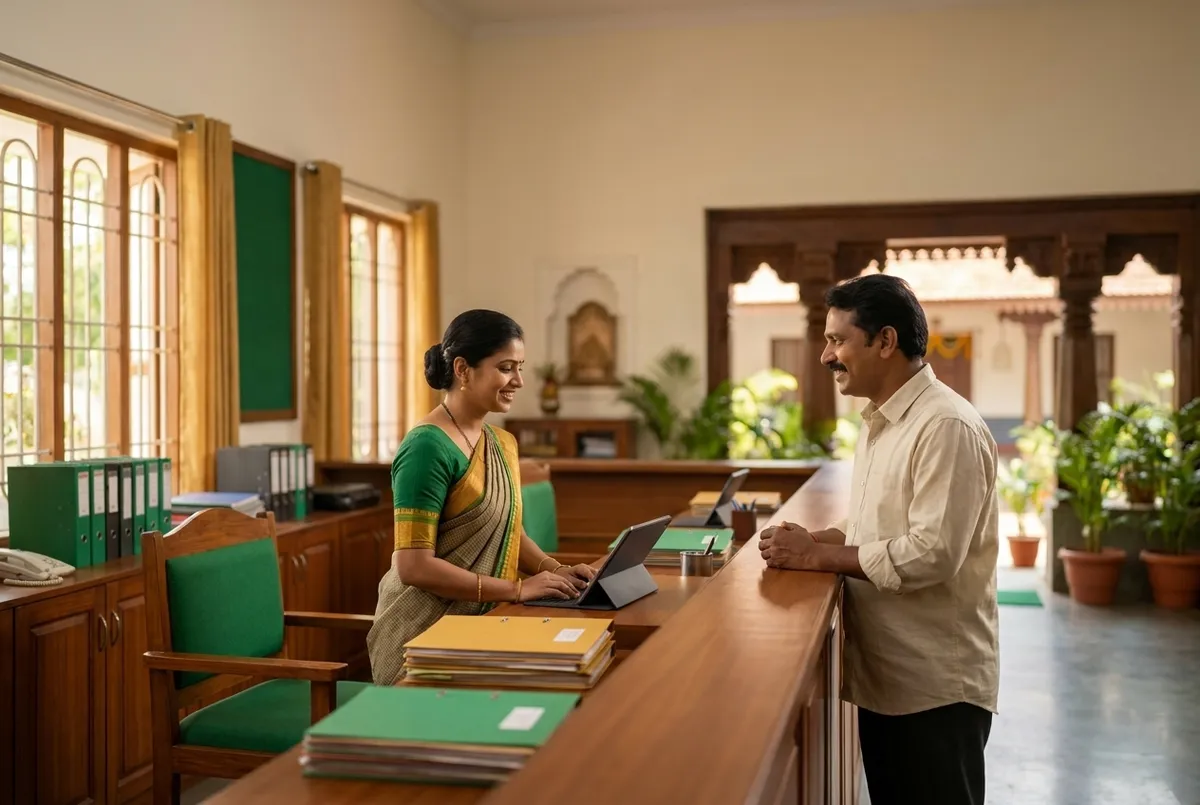
Nobody enjoys dealing with a government office, but most tri-city residents have to a few times a year, and the difference between a smooth visit and a wasted day usually comes down to knowing what to carry and where to go. Property tax, water charges, birth and death records, trade licences, building permissions. The everyday civic paperwork that keeps a household and a small business legal.
The good news is that a lot of this has moved at least partly online over the past few years, which means many routine tasks no longer require standing in a queue at all. The catch is that the online systems are uneven, and knowing when to use them and when to just go in person saves real time.
The routine payments are the easiest wins. Property tax and water charges for the urban area can increasingly be paid online through the municipal portals, and doing so spares you the counter queue entirely. The key is keeping your assessment number or connection number handy, because that is what the system looks you up by. Save the digital receipt every time, because a payment you cannot prove is, for official purposes, a payment that did not happen.
For anyone who has only ever paid these at a counter, the first online payment feels like it cannot be that simple. Usually it is. Where the portal is down or refuses your number, the citizen service centres dotted around the city handle the same payments and issue a printed receipt.
Birth and death certificates, the documents people need at exactly the wrong moments, are issued through the municipal system, and recent records are often available online once registered. For older records or corrections, an in-person visit to the relevant office is usually still required, and that is where carrying the right supporting documents matters. A correction to a name or date drags on far longer when you arrive without the proof to back the change.
The general rule for any certificate work is to carry originals plus copies of everything even loosely relevant, because the one document you left at home is invariably the one they ask for. A folder kept ready saves a second trip.
For small businesses and anyone building or modifying a property, the licence and permission processes are more involved and worth treating seriously rather than informally. A trade licence keeps a shop on the right side of the rules, and building permissions, while tedious, are the thing that protects a property's legal standing and resale value later. Skipping them to save time is the classic false economy that surfaces years later during a sale or a dispute.
For anything complex, it is genuinely worth using a registered consultant or agent who deals with these offices regularly. They know the current forms, the sequence, and the small requirements that change without announcement, and the fee is usually less than the cost of repeated failed trips.
The single biggest time-saver with any tri-city civic office is going early in the day with a complete set of documents and a clear idea of which counter or department you need. Pay routine bills online, keep your assessment and connection numbers saved, hold a folder of originals and copies for anything involving records, and treat licences and permissions as the protections they are rather than hurdles to dodge. The system is slow, but it is navigable, and the prepared resident gets through it with a fraction of the frustration.
Found a civic process that has moved online or one that still demands a queue? Tell us, and we will keep this guide accurate for the tri-city.