Getting Through the Warangal Monsoon: Roads, Drains and Daily Life
- 3 min read
- Events
The first heavy rain tells you which Warangal roads flood and which drains were never cleared. A practical guide to the tri-city monsoon.
Best In Warangal — your local guide to food, culture and the city we call home.
The first heavy rain tells you which Warangal roads flood and which drains were never cleared. A practical guide to the tri-city monsoon.
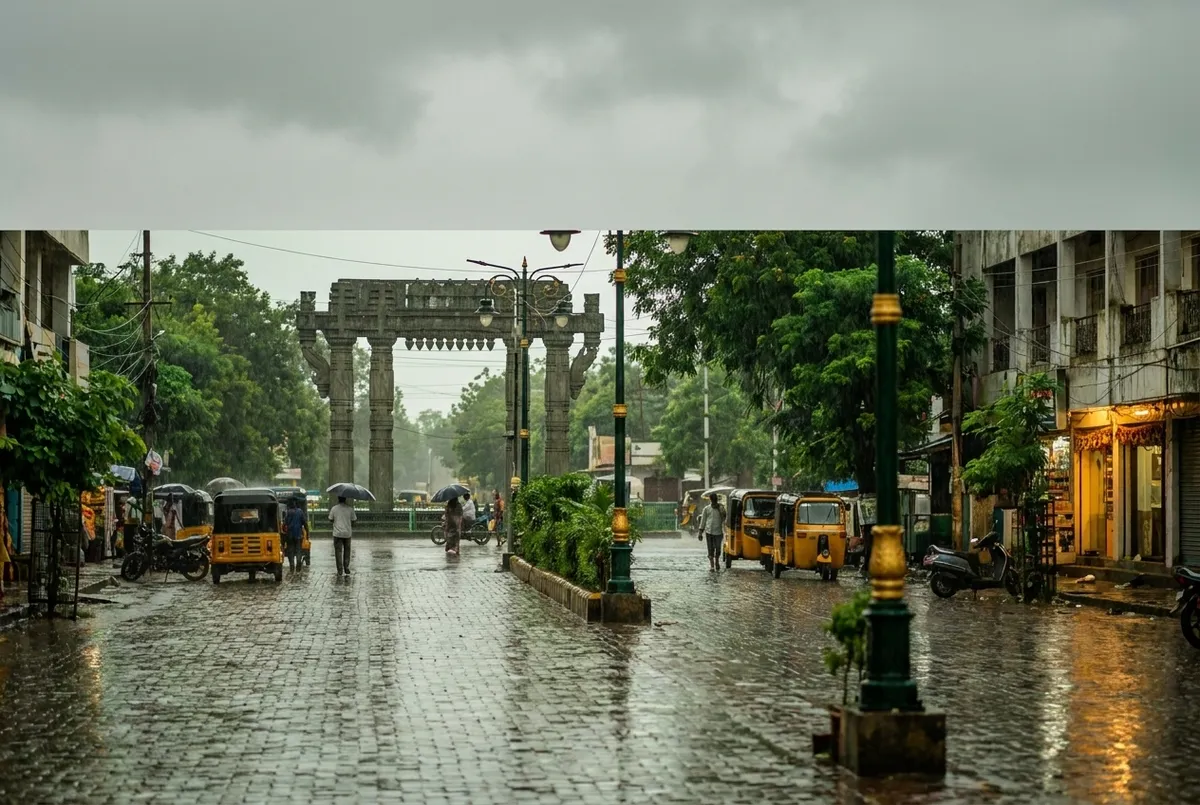
The first real downpour of the season is the tri-city's annual stress test, and it grades on a curve. Within an hour of a heavy spell, you learn exactly which stretches of Warangal and Hanamkonda hold water, which underpasses turn into ponds, and which drains were quietly never cleared before the rains arrived. Every year the lesson repeats, and every year it is worth knowing in advance.
The southwest monsoon usually reaches Telangana by June and runs through September, and Warangal gets its share. The rain is mostly a relief after the brutal summer, greening the countryside and filling the Kakatiya-era tanks. But in the city itself, the same rain meets old drainage and new construction, and the result is a few predictable headaches.
Low-lying junctions and the older parts of the city take the worst of it. After a hard spell, water pools at the dips, and the mix of rain, loose tar and two-wheeler traffic makes for genuinely risky riding. The sensible move during a heavy downpour is simply to wait it out under shelter for twenty minutes rather than push through a flooded stretch you cannot see the bottom of. Submerged potholes have ended more monsoon evenings than anything else.
If you commute by two-wheeler, the monsoon is the season to slow down and double your following distance. Painted road markings, manhole covers and metal plates turn slick, and braking distances stretch. None of this is dramatic, it is just the ordinary physics of wet roads that people forget between June rains.
The monsoon checklist for a tri-city home is short and worth doing before the heavy rain rather than after. Clear the roof drains and the gutters so water runs off instead of pooling. Check for damp patches on ceilings and outer walls early, because a small leak in June becomes a real problem by August. Keep the important documents and electronics off the floor in any room that has flooded before, and you already know which one that is.
Mosquitoes are the quieter monsoon problem. Standing water in pots, old tyres, and blocked drains becomes breeding ground within days, and the tri-city sees its dengue and malaria worries climb through and just after the rains. Tip out standing water around the house weekly, use nets or repellent, and do not let the romance of the rain make you careless about the puddle on the balcony.
A lot of the monsoon misery in any city traces back to drains that needed clearing before the season and did not get it. Residents have more leverage here than they use. A pre-monsoon complaint to the municipal body about a chronically blocked drain in your lane, made early and in writing, lands better than an angry call after the street has already flooded. Localities that organise and follow up tend to get the desilting done. The ones that wait tend to flood.
The Warangal monsoon is, on balance, the best season the tri-city gets. The heat breaks, the lakes fill, and the countryside around Pakhal and Ramappa turns genuinely beautiful. The trick is handling the few weeks of disruption with a bit of preparation. Clear your drains, slow down on the roads, kill the standing water, and the rains become what they should be, a relief rather than a recurring crisis.
Know a junction that floods every year? Tell us where, and we will keep a running list for the tri-city.