Starting a Small Business in Warangal: A Founder Reality Check
- 3 min read
- Business
Warangal is a better place to start something than it was a decade ago. An honest, local look at the opportunity, the costs and the pitfalls.
Best In Warangal — your local guide to food, culture and the city we call home.
Warangal is a better place to start something than it was a decade ago. An honest, local look at the opportunity, the costs and the pitfalls.
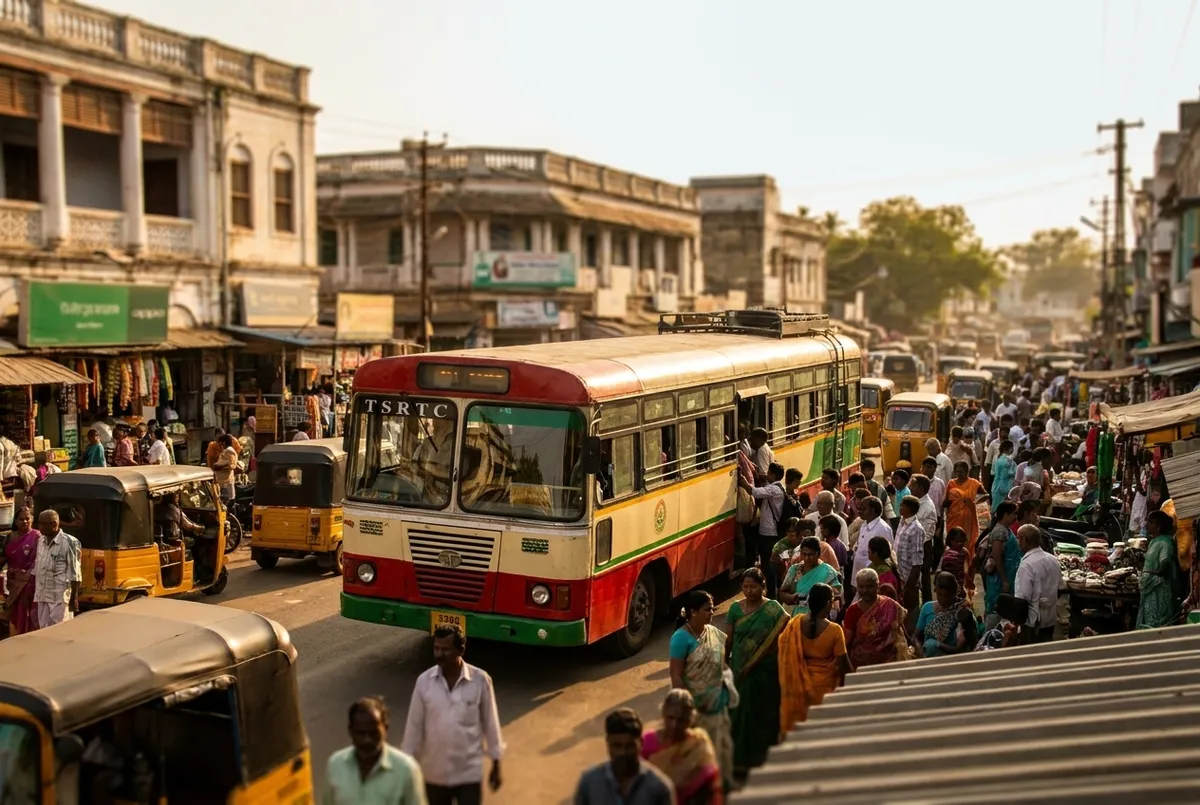
Something has shifted in the tri-city over the past few years. The reflex assumption that anyone with ambition has to leave for Hyderabad is loosening. Young people are starting cafes, retail ventures, service businesses and even tech outfits from Warangal itself, and a small but real founder culture is taking root, fed by the talent coming out of NIT Warangal and Kakatiya University.
This is not a fairy tale, and it should not be sold as one. Starting a business anywhere is hard, and Warangal has its own particular advantages and limits. A grounded look at both is more useful to a would-be founder than either boosterism or discouragement.
The tri-city offers some real edges for a new business. Costs are a fraction of what they are in the capital, which means the runway on a given amount of money stretches much further. Rents, salaries and the general cost of operating are lower, and for a bootstrapped venture that difference can be the gap between surviving the first year and not.
There is also a captive, underserved local market. A city of this size with a large student population, a steady stream of visitors for healthcare and education, and a growing middle class has genuine demand that is not always well met. A business that solves a real local need, done well, does not have to fight the brutal competition of a metro to find its customers.
The constraints are just as real. The talent pool, while strong at the student level, thins out for experienced hires, since many of the seasoned people have already left for bigger cities. The local investment ecosystem is thin, so most ventures here are bootstrapped or family-funded rather than backed by the angel and venture money that flows freely in Hyderabad and Bengaluru.
The market that is an advantage in size can be conservative in behaviour, slower to adopt new things and more price-sensitive than a metro crowd. A founder has to plan for a market that needs convincing, not one that is waiting to be disrupted.
Whatever the venture, the unglamorous foundations decide a lot. Register the business properly, get the trade licence, sort the GST registration if you cross the threshold, and keep clean books from day one. Founders who treat the compliance side as an afterthought create problems that surface at the worst possible time, during a loan application, a dispute, or a sale.
For anything beyond the simplest setup, it is worth paying a local accountant or consultant to get the registrations and the structure right at the start. The cost is small against the trouble it prevents, and they know the current local requirements better than any generic online guide.
The founders who do well in the tri-city tend to be the ones who build for Warangal as it actually is, rather than importing a model from a metro and hoping it translates. They understand the local price sensitivity, the conservative buying behaviour, and the power of word of mouth in a city where reputation travels fast through the lanes. They use the low costs as a real advantage rather than a consolation.
Warangal is a more serious place to start something than it was ten years ago, and the trend is in the right direction. For a founder with a real understanding of the local market, the discipline to keep costs and compliance tight, and the patience to grow without metro money, the tri-city is a genuine opportunity rather than a fallback. The talent is staying a little more often now, and that changes things.
Building something in Warangal? Tell us what you are working on, we like featuring local founders.