Best Jalebi in Warangal: Follow the Evening Sizzle
- 4 min read
- Food
The quest for Warangal's best jalebi — what perfect jalebi tastes like, where the evening kadhais fire up, the jalebi-rabri combo, and how to order it right.
Best In Warangal — your local guide to food, culture and the city we call home.
The quest for Warangal's best jalebi — what perfect jalebi tastes like, where the evening kadhais fire up, the jalebi-rabri combo, and how to order it right.
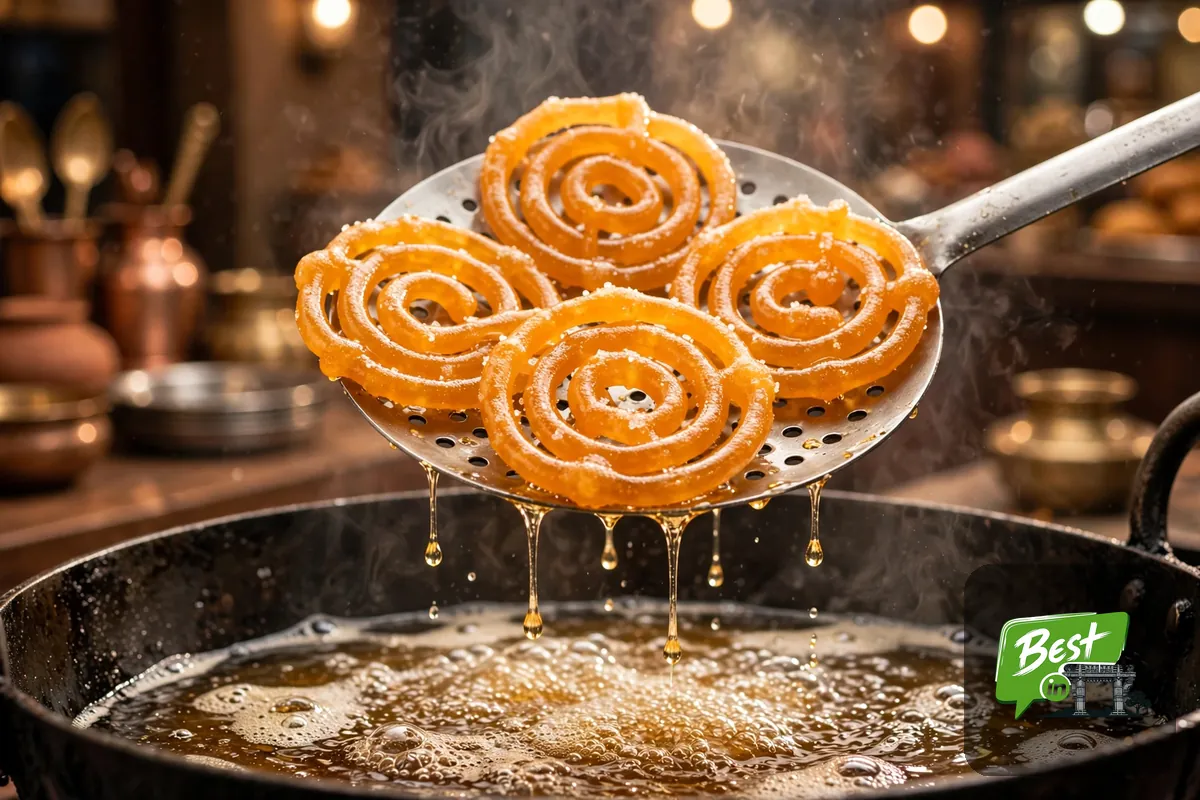
There is a specific hour in Warangal — around 5:30 in the evening — when the city's sweet shops light up their kadhais and the first batch of jalebi hits the hot oil. The spiral sizzles, the syrup waits, and for the next two hours the whole street smells like a festival. Jalebi isn't breakfast food or dessert here; it's the evening's opening act.
Honest framing: our research surfaced no individually verified jalebi-specialist shop with a confirmed listing — jalebi in Warangal is made fresh at mithai counters and evening snack carts, not at single-product stores. So this is the connoisseur's guide: what great jalebi is, where to find it, and how to never eat a bad one again.
Great jalebi is fried to order and eaten within minutes. The batter — fermented for tang — spirals into hot oil, crisps to a deep amber, and takes a quick bath in saffron-cardamom syrup. The result should shatter between your teeth, then flood with hot syrup. That's it. That's the whole miracle.
Bad jalebi is easy to spot: soggy instead of crisp (fried hours ago and sitting in syrup), pale and doughy (oil not hot enough), or one-dimensionally sweet (no tang from fermentation, no saffron or cardamom in the syrup). If the jalebi bends instead of breaking, order something else.
Jalebi is an evening food, and it lives where the evening crowds are. Mithai counters across Hanamkonda and Warangal fry jalebi fresh from late afternoon — the verified general sweet-shop name in our research, Swagath Sweets at Pochamma Maidan, Hanamkonda, represents the established-counter category where evening frying is the norm. Market streets and chowrastas — the busy junctions of Hanamkonda and the old-city lanes of Warangal — host the kadhai carts that appear at dusk and vanish by night; these carts, frying in front of you, are often the best jalebi in town. Festival and wedding caterers do jalebi live at events — if you've had transcendent jalebi at a Warangal wedding, it was the live counter.
The rule: buy jalebi where you can see it being fried. No exceptions.
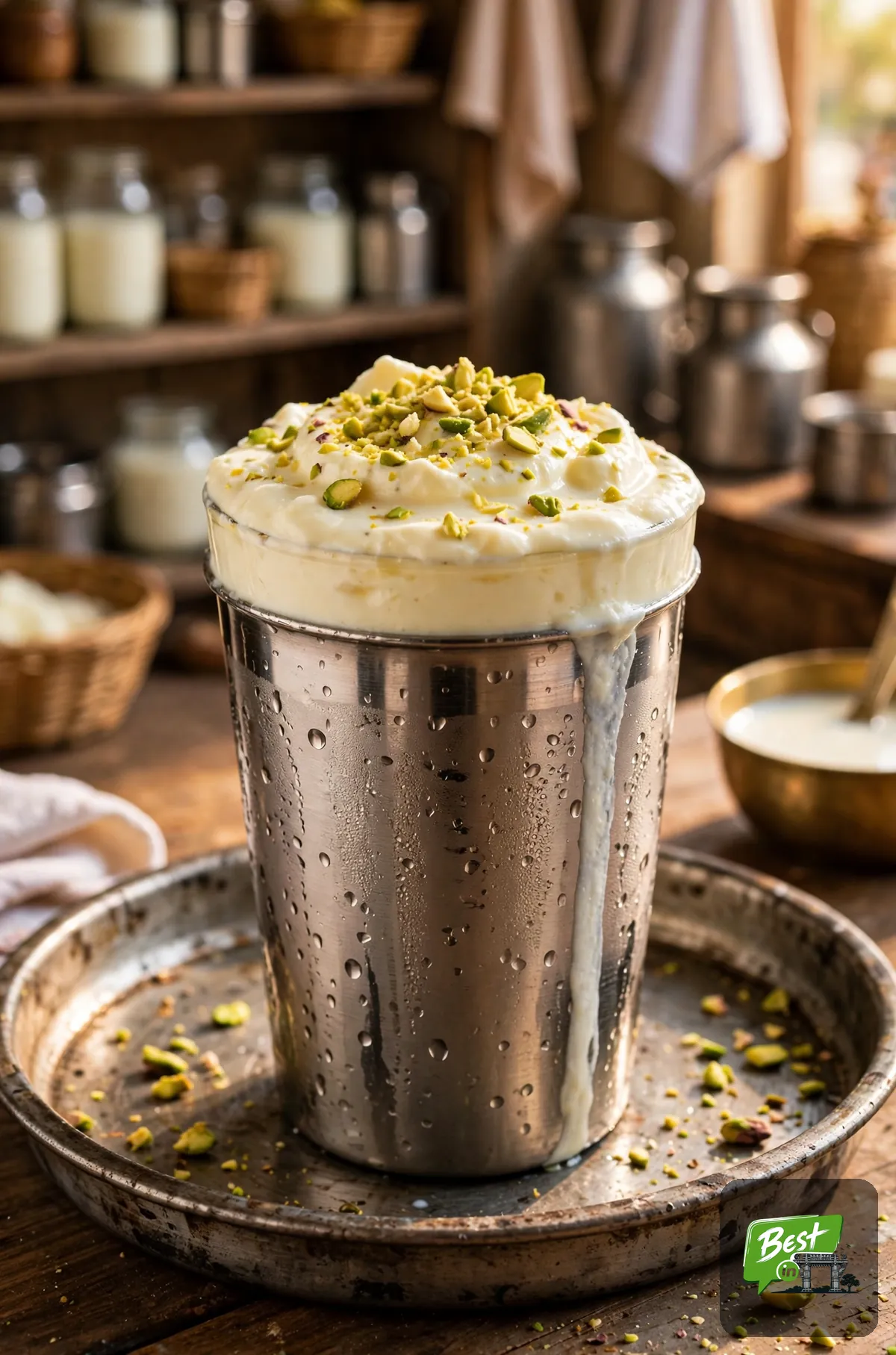
The advanced move: jalebi with rabri. Hot, crisp jalebi over thick, chilled rabri is one of North India's great desserts, and the combination has fully migrated to Telangana's sweet counters. Not every shop keeps rabri — ask; the ones that do are usually the serious ones. Eat it immediately, standing up, the way it's meant to be eaten. This is not a takeaway dessert; it's a five-minute ceremony.
Time it: 5–8 PM is the window; morning jalebi is yesterday's jalebi. Watch one batch: the frying should be continuous — batter in, spirals crisping, quick syrup dip, out. If the vendor is frying to a pile and syrup-soaking in bulk, keep walking. Ask for "karari" (crisp) if you want it extra crunchy. Buy small quantities: jalebi is a now-food; 250 grams eaten hot beats a kilo eaten cold. And check the oil: it should look clean and smell fresh, not dark and tired.
Jalebi peaks in the cooler months (October–February) when hot syrupy sweets hit hardest, and around festivals — Diwali, Sankranti, weddings — when every sweet shop runs its kadhai at full tilt. In peak summer, eat it in the evening when the day's heat breaks; hot jalebi at noon in May is a commitment few should make.
Prices change with ingredient costs — confirm before you go, and remember the golden rule of this guide: the best jalebi in Warangal is the jalebi being fried right now, in front of you. Follow the sizzle.