Golichina Mamsam in Warangal: Telangana's Great Mutton Dish, Explained
- 4 min read
- Food
Golichina mamsam — mutton slow-cooked with fire-roasted spices — is Telangana's great festival dish. Our guide explains the technique and where to find it.
Best In Warangal — your local guide to food, culture and the city we call home.
Golichina mamsam — mutton slow-cooked with fire-roasted spices — is Telangana's great festival dish. Our guide explains the technique and where to find it.
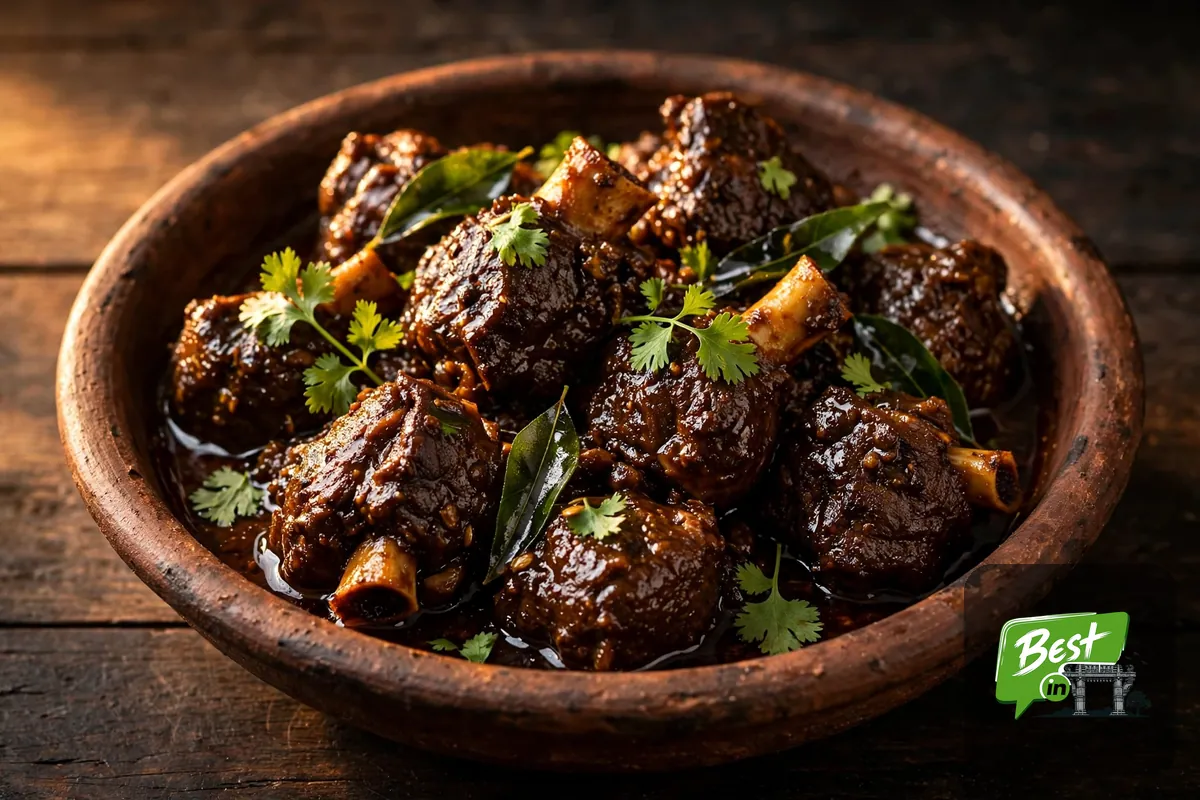
Ask a Telangana elder about the great mutton dishes and, after the biryani talk subsides, one name surfaces with particular reverence: golichina mamsam. It's not a restaurant dish — or at least, it didn't start as one. It's rural Telangana festival cooking: mutton slow-cooked with freshly roasted, hand-pounded spices until the masala clings dark and glossy to every piece. In Warangal, it survives mostly in homes and at functions, which is exactly why it deserves a guide. Here's what it is, how it's made, and how to find it.
The name gives away the technique. "Golichina" points to roasting — the dry-roasting of whole spices before they're ground — and "mamsam" is meat, here almost always mutton (goat meat). The dish is a slow-cooked mutton curry built on a freshly roasted masala: coriander seeds, cumin, black pepper, dried red chillies, sometimes cloves and cinnamon, all dry-roasted till fragrant and pounded coarse. The mutton cooks low and slow in this masala with onions, ginger-garlic and — crucially — patience, until the meat surrenders and the gravy reduces to a dark, clinging coat rather than a swimming curry.
The result sits somewhere between a curry and a roast: intensely spiced, deeply savoury, with the roasted masala's smoky edge distinguishing it from everyday mutton curry. It's the kind of dish where the spice blend is the recipe — two families' golichina mamsam can taste like different dishes entirely.
Most Indian curries bloom their spices in oil. Golichina mamsam starts earlier: whole spices are dry-roasted in a hot pan or over an open flame until they darken a shade and release their oils — coriander first (it takes longest), then cumin, pepper and chillies in sequence. Only then are they ground, traditionally on a stone, into a coarse powder. This two-stage process — roast, then grind, then cook — is what gives the dish its signature depth. Pre-ground masala, however fresh the packet claims to be, doesn't produce the same result. The traditional cooks will tell you this isn't snobbery; it's chemistry.
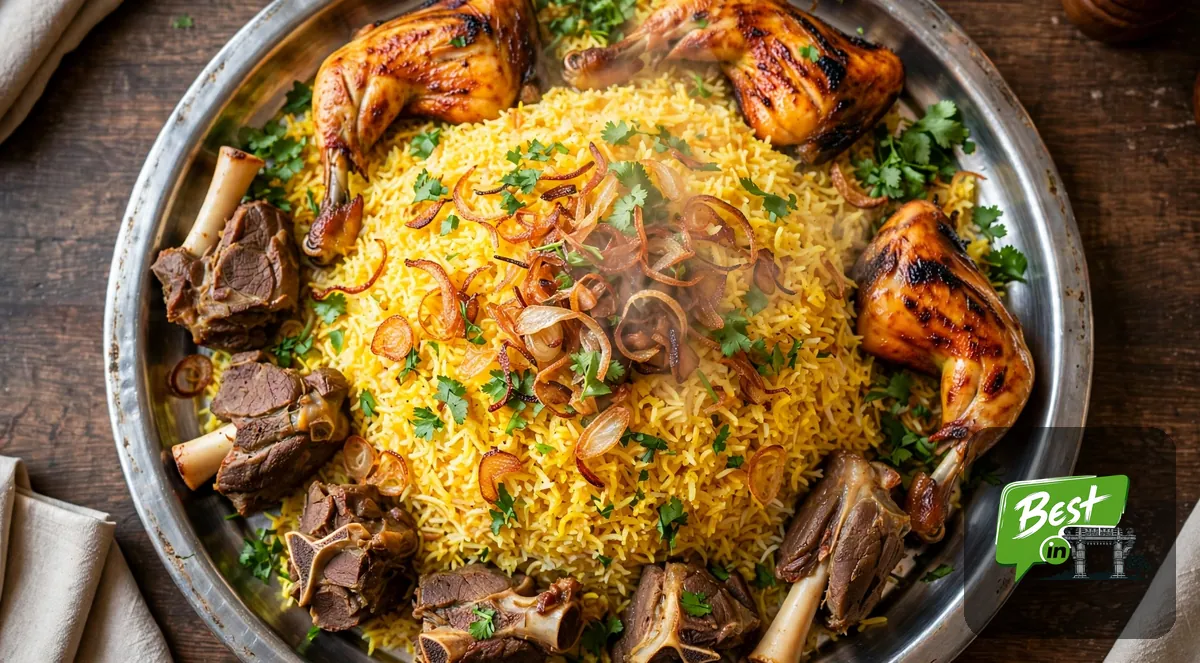
The mutton itself is typically bone-in, cut into generous pieces, and cooked in stages: seared with the masala, then simmered with minimal water until the collagen melts into the gravy. The finish is deliberately semi-dry — the masala should coat, not drown.
Golichina mamsam is celebration cooking in rural Telangana — the dish that appears at weddings, festivals and the gatherings where a family's cooking reputation is on the line. It's labour-intensive (the roasting, the pounding, the slow cooking), which is why it stayed in the home-and-function circuit rather than moving to restaurant menus. In Warangal district's villages, the quality of a family's golichina mamsam is genuinely a matter of pride, debated the way cities debate biryani joints.
Here's the honest part: we could not verify a specific Warangal restaurant serving golichina mamsam by name in our listings research. This is home food that occasionally escapes into the commercial world, not a menu staple. So instead of an invented list, here's how the dish actually surfaces in the city:
Traditional non-veg meals houses. Warangal's old-style non-veg restaurants — the bhojanam places around Mandi Bazaar and the budget meals spots like Vasumathi Hotel on Mulugu Road (verified for its ₹130-range chicken curry meals) — sometimes rotate Telangana-style mutton preparations through their menus. They may not call it golichina mamsam, but the roasted-masala mutton curries in this tradition are its close cousins. Ask what's cooking; the answer changes by day.
Function catering. The city's wedding and function caterers are the most reliable commercial source — golichina mamsam is exactly the dish a Telangana family orders for a big gathering. If you're attending a local function, watch the non-veg counter.
Ask, don't assume. The single best strategy: ask a local non-veg lover where they'd eat it. In Warangal's food culture, the right question to the right person beats any listing.
With rice, always — white rice to carry the masala, or the Telangana staple jonna rotte (sorghum flatbread) if you want the full rural pairing. The bone-in pieces are the prize; the marrow and the masala-crusted edges are what the dish is about. Eat it as the centrepiece, not a side — golichina mamsam doesn't share the spotlight well.
In a food scene increasingly driven by reels, cloud kitchens and pan-Indian trends, golichina mamsam is a reminder of what Telangana cooking was before all of that: fire-roasted spices, slow time, meat treated with ceremony. Warangal's claim on it is cultural rather than commercial — the dish belongs to the district's villages, its festivals, its family kitchens. That it hasn't been productised is not a failure; it's the point. Some dishes you find on a menu. This one you earn — by knowing someone, by being invited, by asking the right question at the right counter. When you finally taste it, dark and glossy and unapologetically spiced, you'll understand why the people who grew up with it talk about it the way they do.